France is one of the most open raw milk countries in Europe. Raw milk (lait cru) reaches consumers at the farm, at markets, through vending machines (distributeurs automatiques de lait cru) and packaged on the shelves of organic and specialist grocers. All of these channels run under one regulation and one authorization from the local prefect.
Is raw milk legal in France?
Yes. Direct sale of raw milk to consumers is governed by the Arrêté du 13 juillet 2012 on the production and marketing of raw milk from cattle, small ruminants and domestic equids supplied to the final consumer. It took effect on 1 October 2012 and repealed the 1984 and 1985 orders behind the older patente sanitaire system. The arrêté covers cow, goat, sheep, mare and donkey milk.
A producer applies to the prefect of the department where the farm is located (Article 3). Authorization is granted after an inspection confirms the farm meets the arrêté and the EU raw milk production rules. The arrêté sets no volume cap and no distance limit: a vending machine can stand in a different department from the farm, provided its location is declared and a copy of the application goes to that department's prefect.
Where raw milk is sold
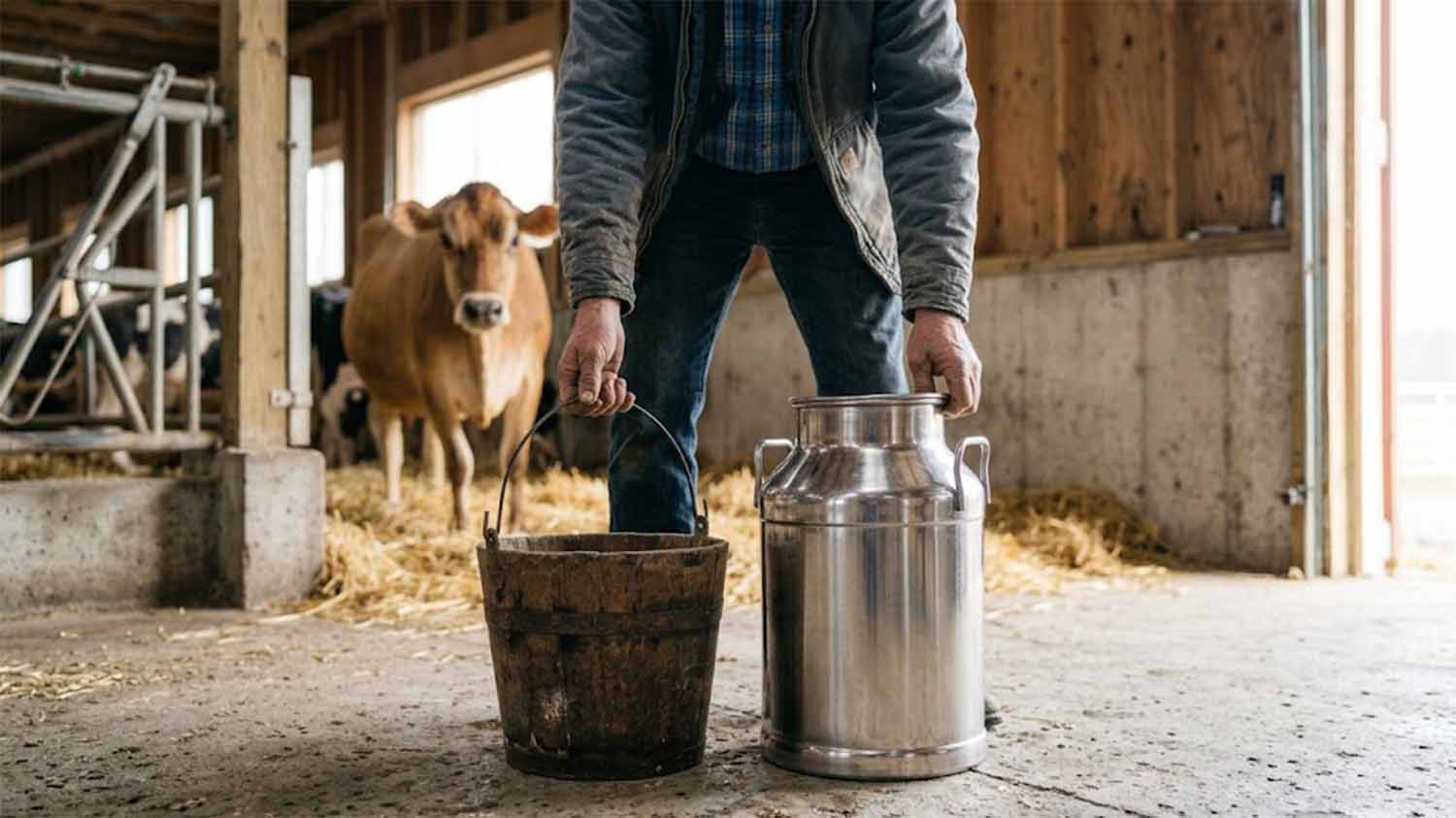
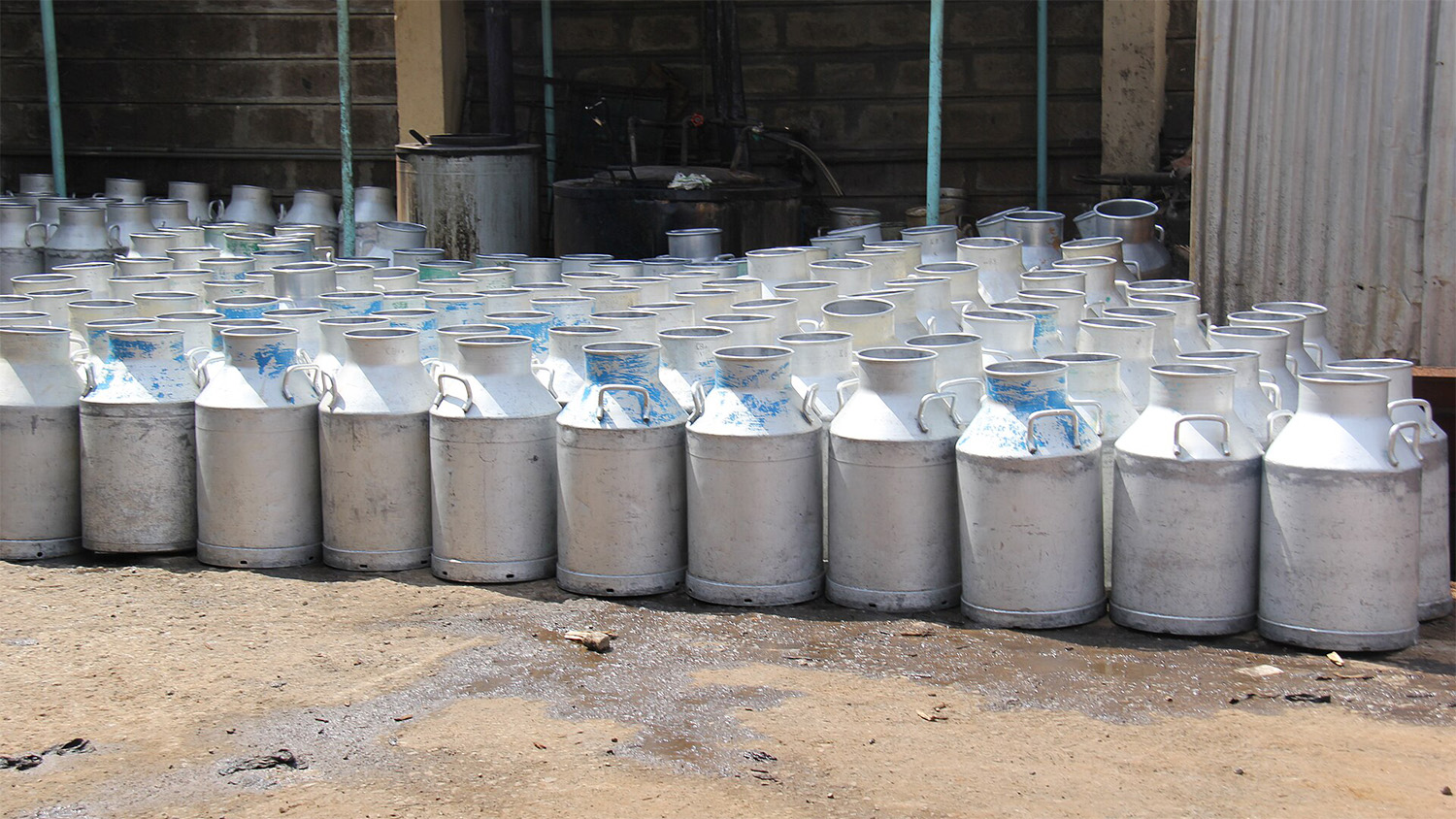
- In bulk from the farmer. Under Article 7, the farmer may sell raw milk loose, filling the customer's container in front of them, at the farm or wherever they sell in person.
- Vending machines. Also under Article 7, a machine is run by a single farmer stocking it with milk from their own farm. Milk is loaded already chilled and kept between 0 and 4°C in every part of the machine, which shuts down if refrigeration fails. Milk is renewed every day, and unsold milk can only go back into the food chain after heat treatment at least equivalent to pasteurization. The farmer's contact details are posted on the machine.
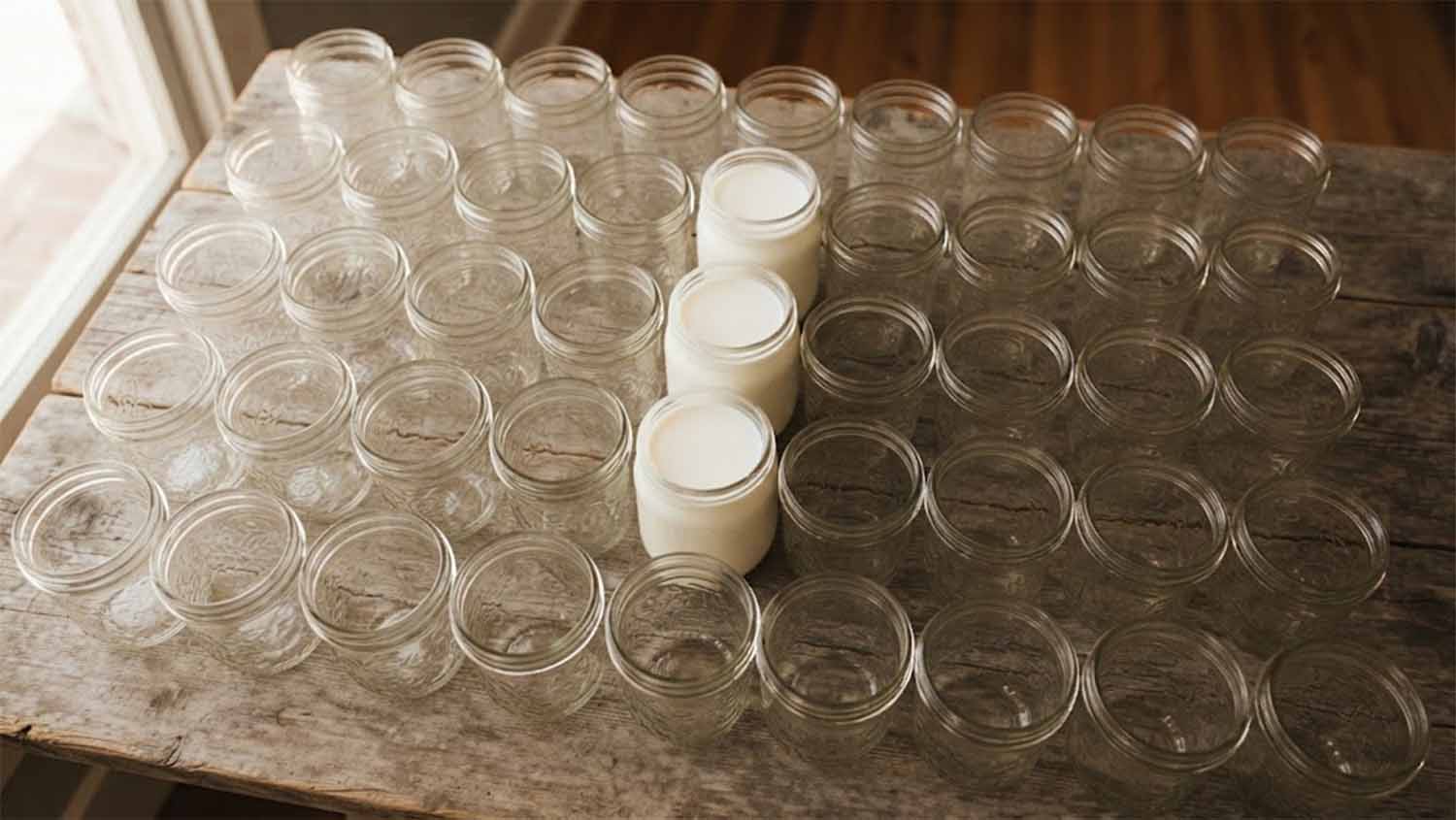
- Packaged, at the farm or in shops. Under Article 6, milk packed at the farm in individual sealed, tamper-evident containers may be sold directly by the farmer or delivered to retailers. Loose raw milk is sold only by the farmer in person or through a machine.
Raw milk is chilled immediately after milking and kept between 0 and 4°C, unless it is sold at the farm within two hours of milking. Milk from no more than two successive milkings, or from milkings within 24 hours, may be mixed (Article 5).
The best-known packaged brand is La Maison Bernard Gaborit, a family dairy in Maulévrier, Maine-et-Loire, whose whole raw Jersey milk is sold through Biocoop and other organic grocers.
Testing
Under Article 8 and Annex II, raw milk must meet safety criteria throughout its shelf life: Listeria monocytogenes no more than 100 cfu per ml and no Salmonella in 25 ml. Process hygiene criteria apply on the day of packaging, including a plate count at 30°C of no more than 50,000 cfu per ml for cow's milk and 500,000 for other species. Farms test the plate count at least twice a month when their milk is also collected by a dairy; otherwise the frequency follows the farm's own risk analysis.
Raw milk cheese
France's raw milk cheese tradition is the deepest in the world. Many of its protected cheeses must be made from raw milk under their AOP specifications, including Comté, Beaufort, Roquefort and Camembert de Normandie, and raw milk cheeses are sold in every cheese shop and most supermarkets.
Finding raw milk in France
Vending machines, farm-gate producers and shops stocking lait cru are listed at raw milk in France. For a full guide to the three channels, see Lait Cru in France: Raw Milk at the Farm Gate, the Vending Machine, and the Supermarket, and for label vocabulary, Raw milk is lait cru in France. A comparison with other countries is in Raw Milk Vending Machines in Europe.