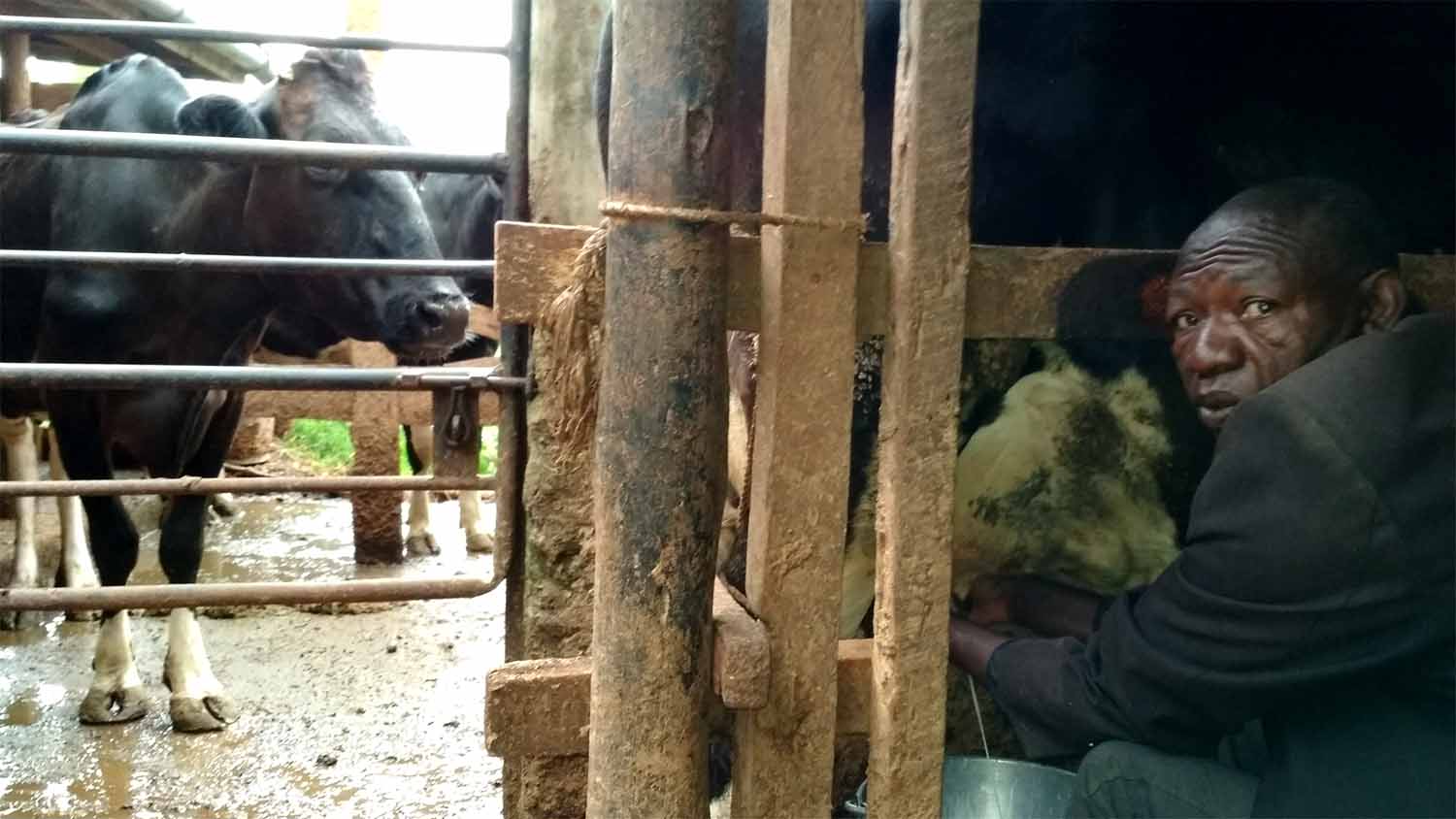
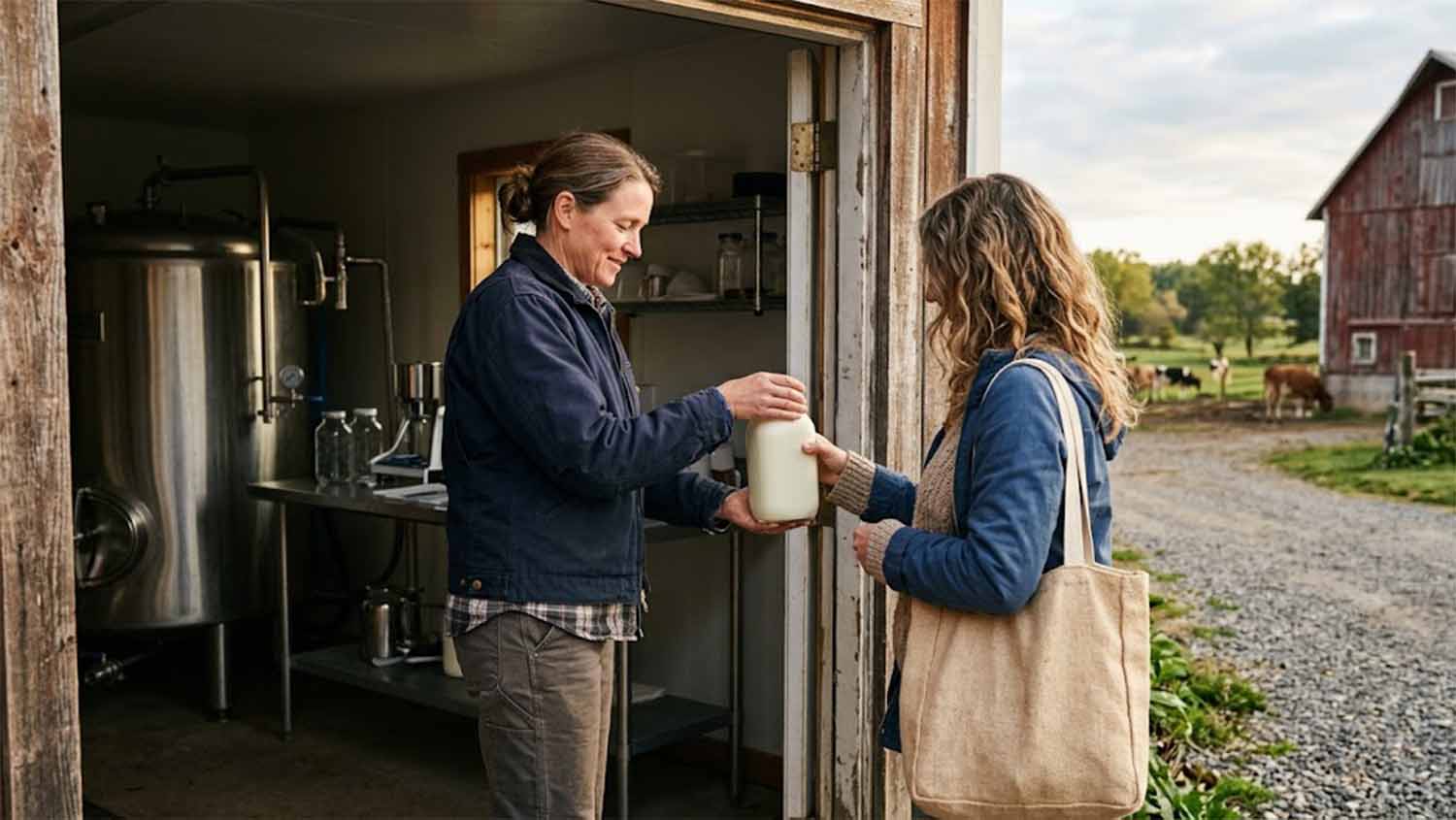
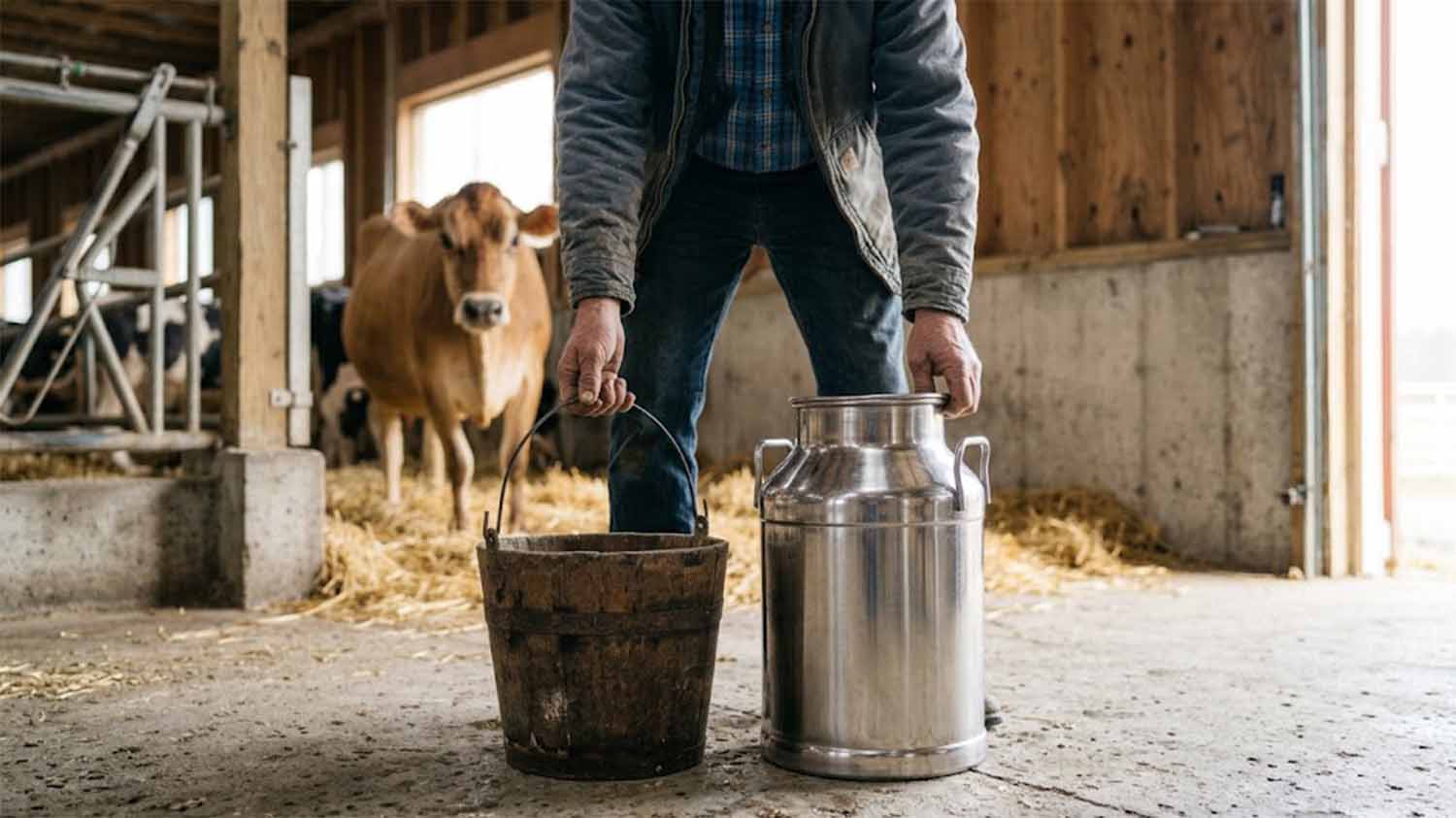
Raw milk (sirovo mlijeko) is sold by family farms (OPG) across Croatia: at the farm, by delivery to customers' homes and from milk vending machines (mljekomati) in Zagreb, Zagorje and Međimurje. Farm cheese dairies (sirane) in Istria, Lika and on Krk make cheese, skuta and cream from their own milk.
Is raw milk legal in Croatia?
Yes. The Rules on registration and approval of food premises (Pravilnik o registraciji i odobravanju objekata te o registraciji subjekata u poslovanju s hranom, Narodne novine 123/2019, amended 3/2021) let a registered raw milk farm supply consumers directly at the farm, by delivery within 50 km of the farm and through mljekomati. A farm producing up to 20,000 litres of cow's milk, or 5,000 litres of sheep's or goat's milk, a year may sell it to consumers at the farm without registering.
Milk machines
Each mljekomat sells the milk of one producer, from the farm's own animals, at most 24 hours after milking and kept at 0 to 4 °C. The machine shows the product as "sirovo mlijeko" with advice to heat-treat it before drinking, the producer's name, address and contact details, the machine's registration number, the milking date and the date and time it was filled.
Farm dairy products
Farms make fresh cheese and cream at home from up to 50 litres of their own milk a day, and on-farm dairies process up to 250 litres a day, for sale to consumers and local shops. Raw drinking milk itself goes from farm to consumer directly, through the farm, delivery or machines, rather than through shops and restaurants.
Registration and herd health
Raw milk farms and machines are registered with the Ministry of Agriculture's veterinary and food safety directorate, and the registration number is displayed on every machine. Milk comes from the farm's own herd, officially free of brucellosis and tuberculosis.
Neighboring countries
Rules in the neighboring countries are covered on the Slovenia, Hungary, Serbia, Bosnia and Herzegovina, Montenegro, Italy pages.