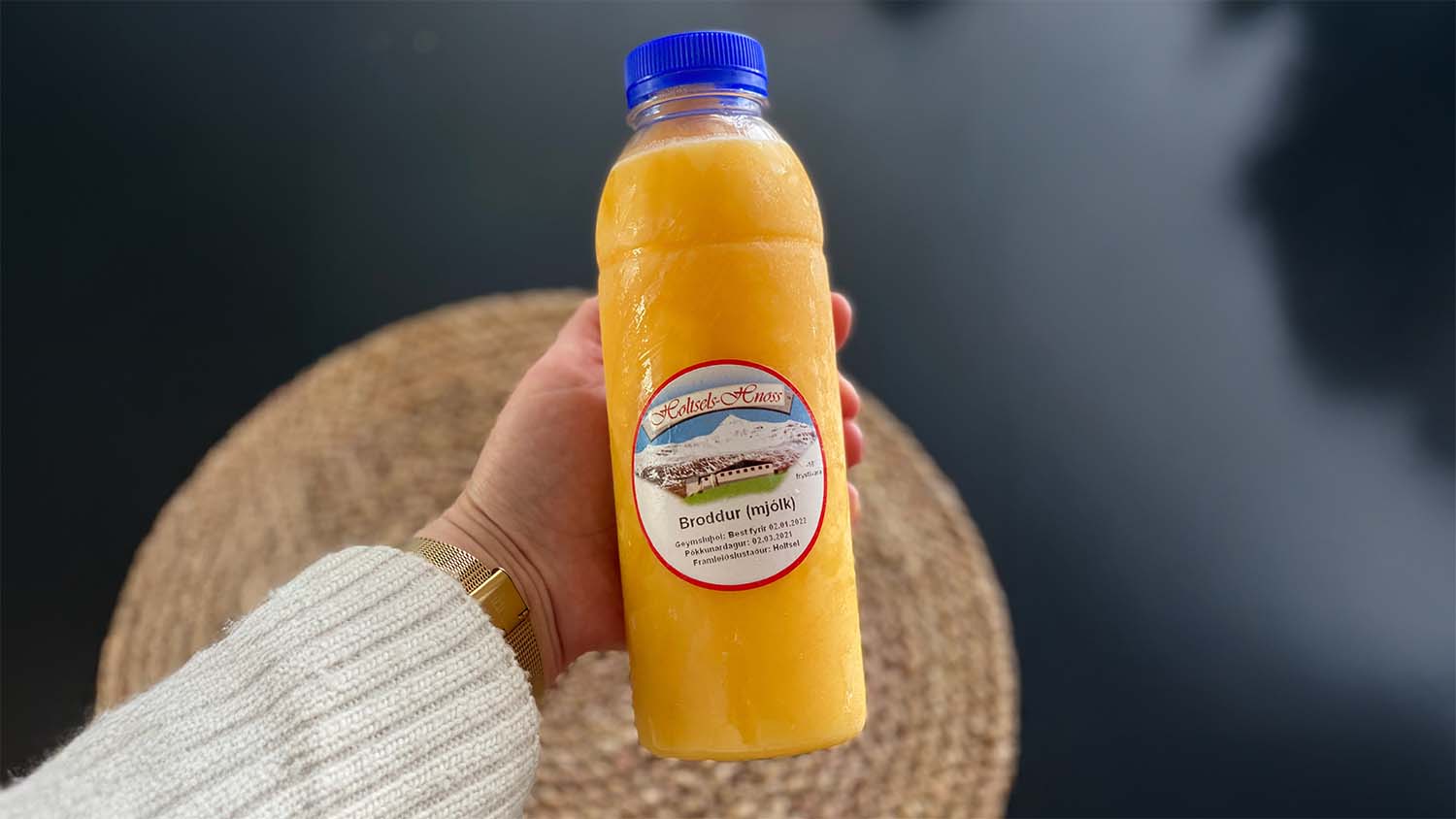
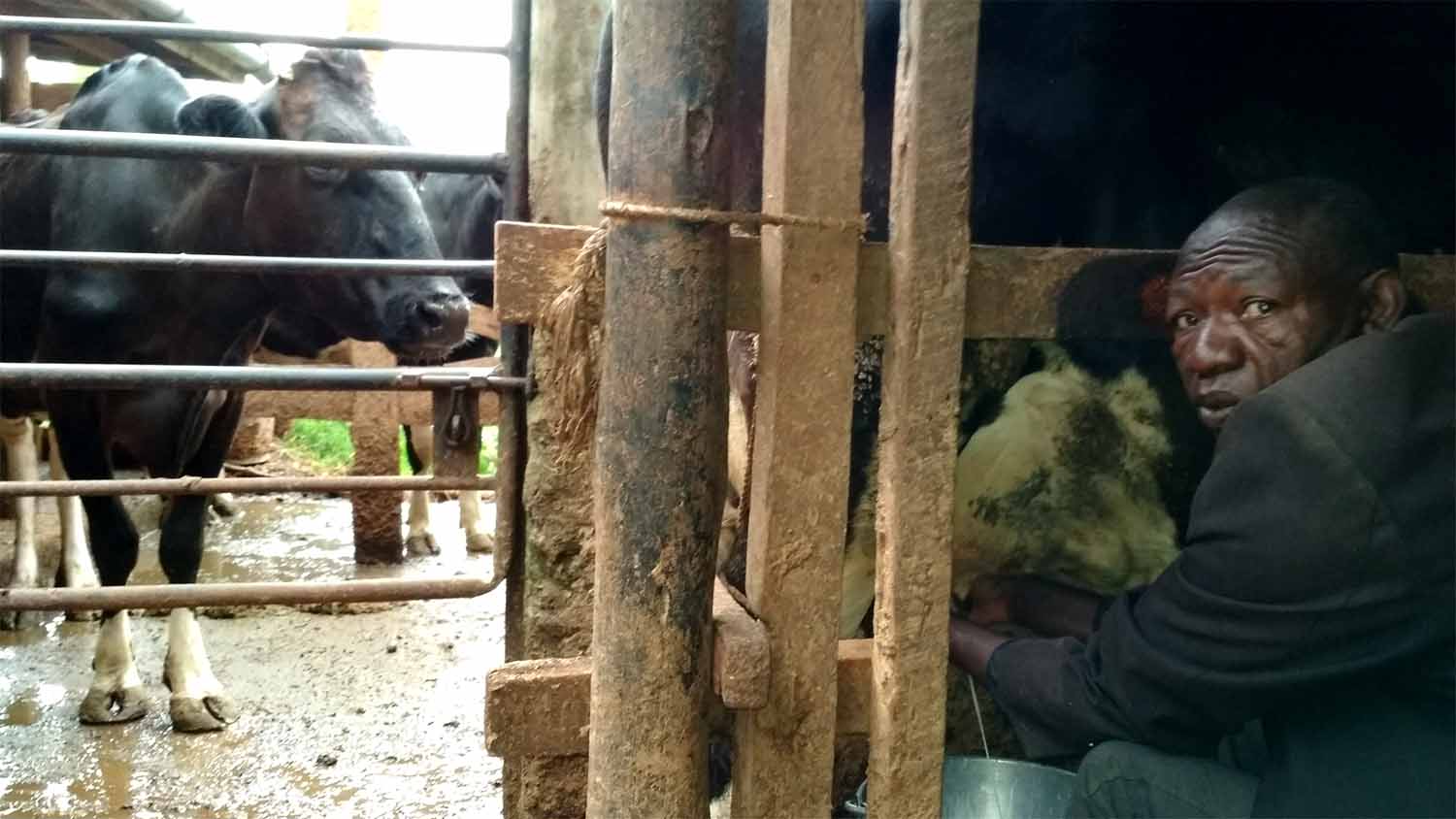
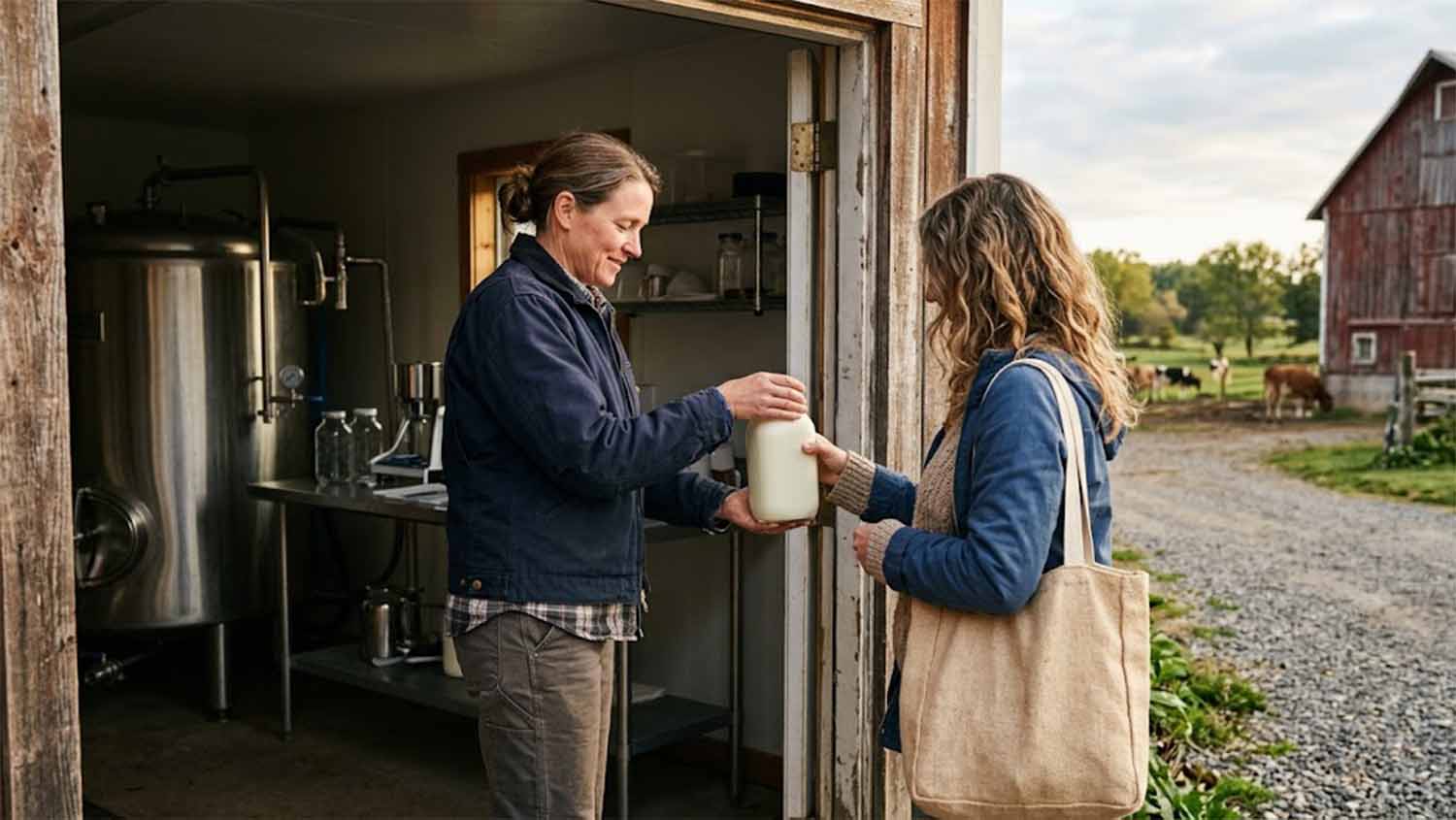
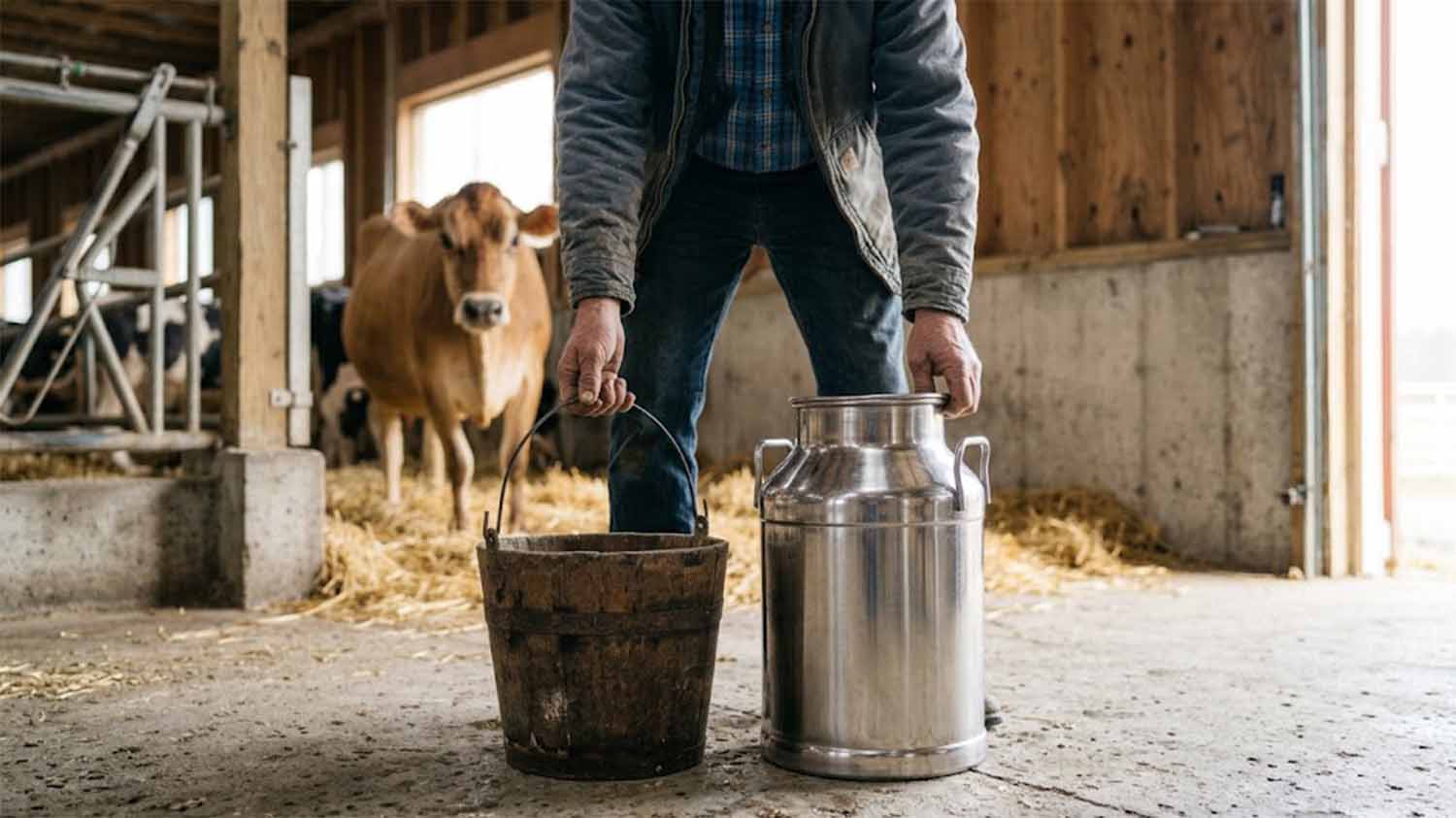
Raw milk (nyers tej) is sold in Hungary by registered small producers (kistermelők) from their own cows, goats and sheep: at the farm, at producers' markets and fairs across the country, from their own milk vending machines (tejautomaták) and through local shops. Hungarian farm dairies also make cheeses, túró and sour cream from their own raw milk.
Is raw milk legal in Hungary?
Yes. Decree 60/2023 (XI. 15.) AM of the Minister of Agriculture, which replaced Decree 52/2010 FVM, sets the rules for small producers. A small producer sells its own produce, raw milk included, to final consumers at the farm, at any local producers' market, market, fair or event in Hungary, at authorised temporary stalls, through handover points and from its own vending machines, and also supplies shops, restaurants and accommodation.
How much and how fresh
Small producers sell up to 200 litres of milk or dairy products a day, or up to 500 litres a day in the larger category. Raw milk is sold within 24 hours when kept at 6 to 8 °C, within 48 hours at 0 to 6 °C, or within two hours of milking unchilled.
What the notice says
Where raw milk is sold, a clearly visible sign linked to the product reads "nyers tej, forralás után fogyasztható" (raw milk, to be drunk after boiling); dairy products made from raw milk carry "nyers tejből készült" (made from raw milk). In shops, raw milk goes to final consumers with "Fogyasztás előtt fel kell forralni!" (boil before drinking) on the pack or at the point of sale.
Registration and herd health
Small producers register with the food chain safety authority before they start selling. Raw milk and dairy products come from herds free of tuberculosis and brucellosis, confirmed by an official veterinary certificate that is valid for a year and kept at the point of sale.
Neighboring countries
Rules in the neighboring countries are covered on the Austria, Slovakia, Ukraine, Romania, Serbia, Croatia, Slovenia pages.